
 Sell Your Tractor

Best Used Car, Services, Auto Parts, Rent Car Available for Buy and Sell Near By Go Ahead

Tractor mileage depends on the tractor model, engine condition, soil type, implement, operating speed, load and driving habits. Farmers can often improve fuel efficiency and reduce diesel costs by maintaining the engine, using the correct tyre pressure, avoiding unnecessary idling, selecting suitable gears and matching implements to the tractor's capabilities.
For Indian farmers, diesel is a significant operating expense during ploughing, sowing, spraying, harvesting support and transportation. The most effective way to manage this expense is to measure fuel consumption under real working conditions and make practical improvements without compromising safety, crop operations or equipment life.
Tractor mileage describes how efficiently a tractor uses fuel during work or travel. Unlike a car, a tractor's fuel efficiency is often more useful when measured in litres per hour or litres per acre because field operations involve different loads, speeds and soil conditions.
For example, a tractor performing deep tillage may consume more diesel per hour than the same tractor transporting a light load on a suitable road. That does not automatically mean the tractor is inefficient; the engine is doing different amounts of work.
Farmers can track fuel efficiency using three practical measurements:
Litres per hour: Diesel consumed during a defined operating period.
Litres per acre: Diesel used to complete a specific field operation over a measured area.
Distance per litre: Useful for suitable transport work, but less meaningful for stationary or slow field operations.
To measure fuel consumption, record the diesel used, operating hours, field area covered and the task performed. Compare similar jobs under similar conditions rather than comparing unrelated operations.
Formula:
Diesel consumption per hour = Litres of diesel used ÷ Operating hours
Diesel consumption per acre = Litres of diesel used ÷ Acres completed
These measurements help identify changes after servicing, adjusting operating practices or switching implements. They also help farmers estimate the fuel budget for upcoming farming operations.
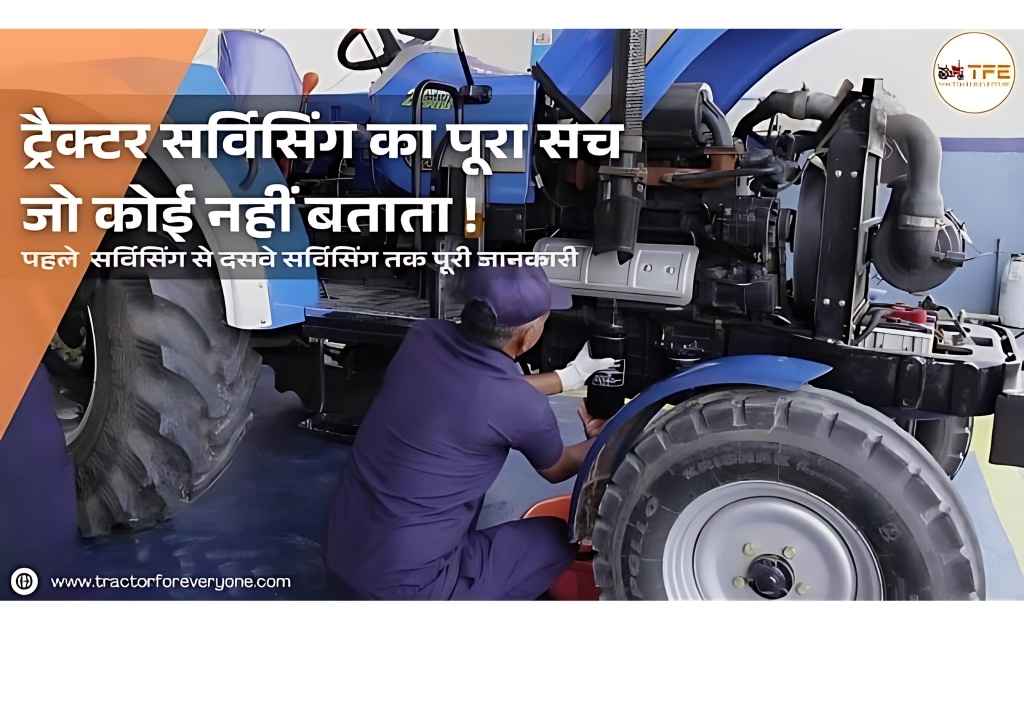
Regular tractor maintenance helps the engine operate as intended and can prevent avoidable fuel waste caused by neglected components. Follow the manufacturer's service schedule instead of waiting for a noticeable drop in performance.
Important maintenance checks include:
Replace engine oil and filters at the recommended intervals.
Clean or replace the air filter according to the manufacturer's instructions and working conditions.
Inspect the fuel filter and fuel system for restrictions or leaks.
Check the cooling system and maintain the correct coolant level where applicable.
Inspect belts, hoses and other components for wear.
Investigate unusual smoke, difficult starting, overheating or a sudden change in fuel consumption.
Dusty agricultural environments can load air filters quickly, particularly during cultivation and harvesting. A restricted air filter can affect engine performance, so inspect it as directed in the owner's manual. Do not clean or reuse a filter in a way that damages its filtering material.
If diesel consumption rises suddenly despite similar workloads, ask an authorised service technician to inspect the engine and fuel system. Avoid unauthorised modifications intended to increase power or alter fuel delivery.
Selecting a suitable gear and engine speed helps the tractor perform work efficiently without unnecessary engine strain. The best combination depends on the tractor, implement, soil, operating depth and required field speed.
Practical steps include:
Use the gear and engine speed recommended for the operation.
Avoid excessive engine revolutions when the task does not require them.
Do not force the tractor to pull a heavy load in a gear that causes lugging or engine strain.
Reduce speed when working in difficult soil or when traction becomes poor.
Follow the implement manufacturer's recommended PTO speed for PTO-driven equipment.
For suitable light-load operations, a higher gear at a lower engine speed may sometimes improve efficiency. However, this is not a universal rule: deep tillage, heavy draft work and PTO-powered implements may require a specific gear or engine speed.
Never reduce engine speed below the range needed to operate the implement properly. The aim is to use the correct operating setting, not simply to run the engine as slowly as possible.
Correct tyre pressure helps maintain traction, reduce excessive tyre deformation and support safe tractor operation. The right pressure depends on tyre specifications, axle load, mounted equipment, ballast, field conditions and whether the tractor is working in a field or travelling on a road.
Incorrect pressure can cause problems:
Overinflated tyres: May reduce the contact area and traction in some field conditions, increasing wheel slip.
Underinflated tyres: Can increase tyre flexing, heat build-up and the risk of tyre damage, particularly during road transport.
Unequal pressure: Can affect stability, steering or tyre wear, depending on the axle and tyre setup.
Check tyre pressure using a reliable gauge and follow the tractor and tyre manufacturers' recommendations for the operating conditions. Do not use one universal pressure figure for every tractor.
For field work, some tractors may use different recommended pressures from those used for road transport. Make adjustments only within the manufacturer's guidelines and consider the load carried by the tractor and its implements.
An implement that is too large, too heavy or unsuitable for the field can place excessive demand on the tractor and increase fuel consumption. Choosing the correct implement helps the tractor complete the operation without unnecessary strain or repeated passes.
Consider these factors before attaching an implement:
Tractor horsepower and the implement's recommended power range.
Working width and required operating depth.
Soil type, moisture and compaction.
PTO speed and power requirements, where applicable.
Hydraulic lift capacity, hitch compatibility and implement weight.
The quality of field preparation required for the crop.
For example, a rotavator that is too wide for the tractor may require reduced working speed or may not operate effectively in difficult soil. A correctly matched cultivator or seed drill may complete its intended job more efficiently under suitable conditions.
Do not select an implement based on horsepower alone. Check the exact tractor and implement specifications, and use a demonstration in comparable field conditions where possible.
Keeping a tractor running while it is not performing useful work consumes diesel without completing the farming task. Unnecessary idling can add up during long field days, especially when the tractor waits for loading, workers, equipment or instructions.
Improve operating discipline by:
Switching off the engine during extended stops when it is safe and appropriate to do so.
Planning the sequence of field operations before starting work.
Keeping seed, fertiliser and tools ready near the field.
Coordinating loading and unloading before the tractor arrives.
Combining suitable trips to move inputs or produce.
Reducing unnecessary travel between fields and storage locations.
Follow the manufacturer's guidance for starting, stopping, warm-up and cool-down, especially for tractors equipped with turbocharged engines or after demanding work. Never leave a running tractor unattended or keep it operating in an enclosed space where exhaust gases can accumulate.
Better planning can reduce wasted engine hours and improve overall farm productivity, even when the tractor's measured fuel consumption per hour remains unchanged.
Tractor diesel consumption varies significantly by model, engine condition and workload, so there is no single litres-per-hour figure that applies to every tractor. A tractor doing light transport may use a different amount of fuel from the same machine performing heavy ploughing or operating a power-demanding implement.
The most reliable estimate comes from measuring fuel used during a known operating period under representative conditions.
For example, if a tractor uses 6 litres of diesel over 3 hours of a particular job, its measured average consumption for that period is 2 litres per hour. This is an illustration of the calculation, not a fuel-consumption claim for a particular tractor model.
To make the result useful, record the operation, implement, soil condition and engine hours. For budgeting, also calculate diesel consumption per acre where the task covers a measurable field area.
A well-maintained tractor is more likely to deliver consistent performance and avoid fuel waste associated with preventable faults. Maintenance cannot eliminate the fuel required to perform heavy work, but it can help ensure that the machine operates according to its design.
Prioritise:
Engine oil and filter changes at the specified intervals.
Air and fuel filter inspection.
Correct cooling-system operation.
Inspection of fuel leaks and damaged hoses.
Proper clutch, brake and transmission operation.
Correct tyre pressure and suitable implement setup.
Timely investigation of changes in exhaust smoke or engine performance.
Use the tractor's owner manual for model-specific maintenance requirements. If the engine needs frequent repairs, overheats, loses power or consumes significantly more diesel than usual, have it checked by a qualified technician rather than attempting an unverified adjustment.
Diesel cost per acre helps farmers compare the operating cost of different field operations and estimate seasonal budgets. It combines measured fuel use with the current diesel price paid by the farmer.
Formula:
Diesel cost per acre = Litres used per acre × Diesel price per litre
For example, if a field operation uses 2 litres per acre and diesel costs ₹90 per litre, the diesel expense is ₹180 per acre. These figures are illustrative only; use your actual consumption and local diesel price for a reliable estimate.
Remember that fuel is only one part of the cost of tractor operation. A complete estimate may also include operator wages, routine maintenance, repairs, implement wear, financing and depreciation.
Comparing cost per acre for the same operation can help farmers assess whether improved maintenance, better planning or a different implement setup is delivering value.
Some attempts to reduce diesel consumption can damage equipment or compromise work quality. Avoid these common mistakes:
Running the tractor in an unsuitable gear to reduce engine speed.
Operating a PTO implement below its required operating speed.
Using tyre pressures outside the manufacturer's recommendations.
Attaching an implement that exceeds the tractor's safe operating capacity.
Ignoring clogged filters, fuel leaks or unusual engine symptoms.
Reducing working depth when it prevents the operation from achieving its purpose.
Comparing fuel consumption across different jobs without considering workload.
Making unapproved engine or fuel-system modifications.
The best fuel-saving strategy balances diesel use, field capacity, crop requirements, safety and long-term tractor reliability.
Farmers can start improving fuel management by following a consistent checklist before and during field work:
Service the tractor according to the manufacturer's schedule.
Check tyre pressure and inspect the tyres.
Match the implement to the tractor's power and capacity.
Use suitable gears, engine speed and PTO settings.
Avoid unnecessary idling and repeated trips.
Set the implement to the required operating depth.
Record diesel consumption per hour and per acre.
Investigate sudden increases in fuel use.
Tractor For Everyone helps Indian farmers research tractors, compare models and explore agricultural equipment. Farmers can use model specifications and equipment information alongside their own operating records to make better-informed decisions about tractor selection and farm running costs.
Maintain the engine, use the correct gear and engine speed, maintain recommended tyre pressure, select a compatible implement, avoid unnecessary idling and track diesel consumption per hour or acre. Results depend on the tractor, workload and field conditions.
Diesel consumption varies by tractor model, engine condition, implement and workload. Measure the litres used over a known number of operating hours during a representative job to estimate your tractor's actual consumption.
Yes. Incorrect tyre pressure can affect traction, rolling resistance, tyre wear and safe operation. Follow the tractor and tyre manufacturers' pressure recommendations for the load and operating conditions.
There is no single best gear for every job. Use the gear and engine speed recommended for the tractor and implement, maintaining sufficient power and traction without unnecessary engine speed or strain.
Divide the litres of diesel used by the acres completed to calculate litres per acre. Multiply that figure by the diesel price per litre to estimate diesel cost per acre for the operation.
Popular Blogs View All



Popular Video View All

Best Used Car, Services, Auto Parts, Rent Car Available for Buy and Sell Near By Go Ahead
